Central Florida,
town by town
What each area is actually like to live in: what your budget buys, how long the drive is, and what to watch for before you write an offer.
Clermont
Rolling hills and chain-of-lakes access, with newer subdivisions east and west of 27 and older homes near downtown. Downtown sits on Lake Minneola, with a waterfront park, a beach, and the trailhead for the South Lake Trail. The hills draw cyclists and runners most mornings, and Lake Louisa State Park is a short drive south. Most daily shopping is along 50 and 27, and the Turnpike and 429 handle commutes east.
Winter Garden
Walkable downtown, the West Orange Trail, and a mix of historic streets and newer builds. Plant Street is the center of town, with restaurants, breweries, the Garden Theatre, and a Saturday farmers market. The West Orange Trail runs right through downtown, so many residents bike or walk to dinner. Lake Apopka sits just north, and the 429 and 408 connect to Orlando and the attractions.
Horizon West
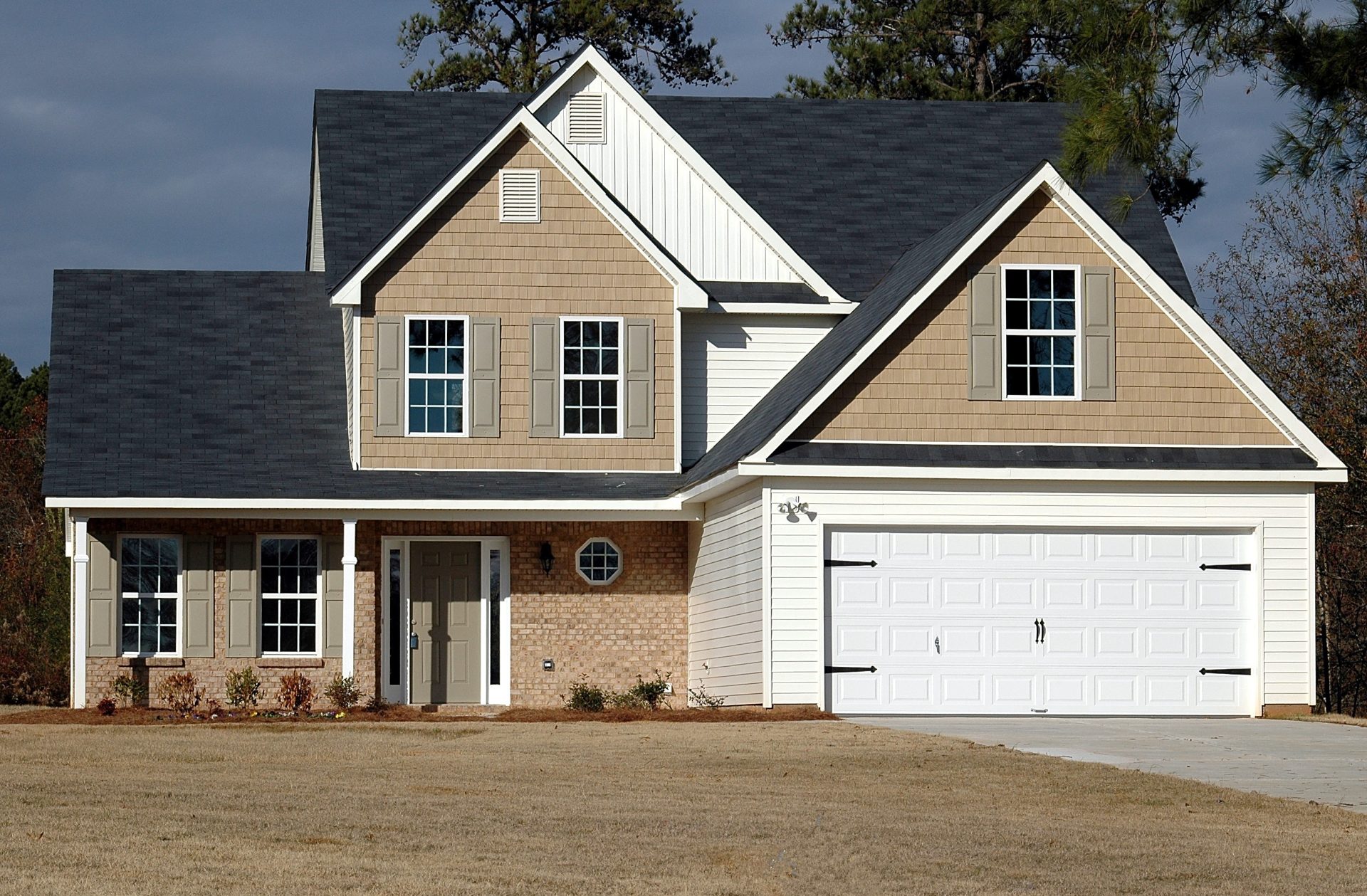
Master-planned villages, new construction, and the shortest drive to the theme park corridor. Orange County planned it as five villages and a town center, with elementary schools, parks, and shopping placed close to neighborhoods, and much of it has been built in the last 15 years. Hamlin, on Lake Hancock, has a waterfront town center with restaurants and a grocery store. Many communities have amenity centers with pools, and most homes carry an HOA and often a CDD.
Groveland
A small Lake County city west of Clermont, where SR 50 meets SR 19 and SR 33. The historic downtown sits on Lake David, with a lakefront park and a handful of local shops. New subdivisions have filled in much of the former farmland around town, and prices typically run below Clermont's for similar new construction. The Green Swamp lies just to the south, so the edges of town still feel rural, and most commuters head east on 50 toward the Turnpike.
Minneola
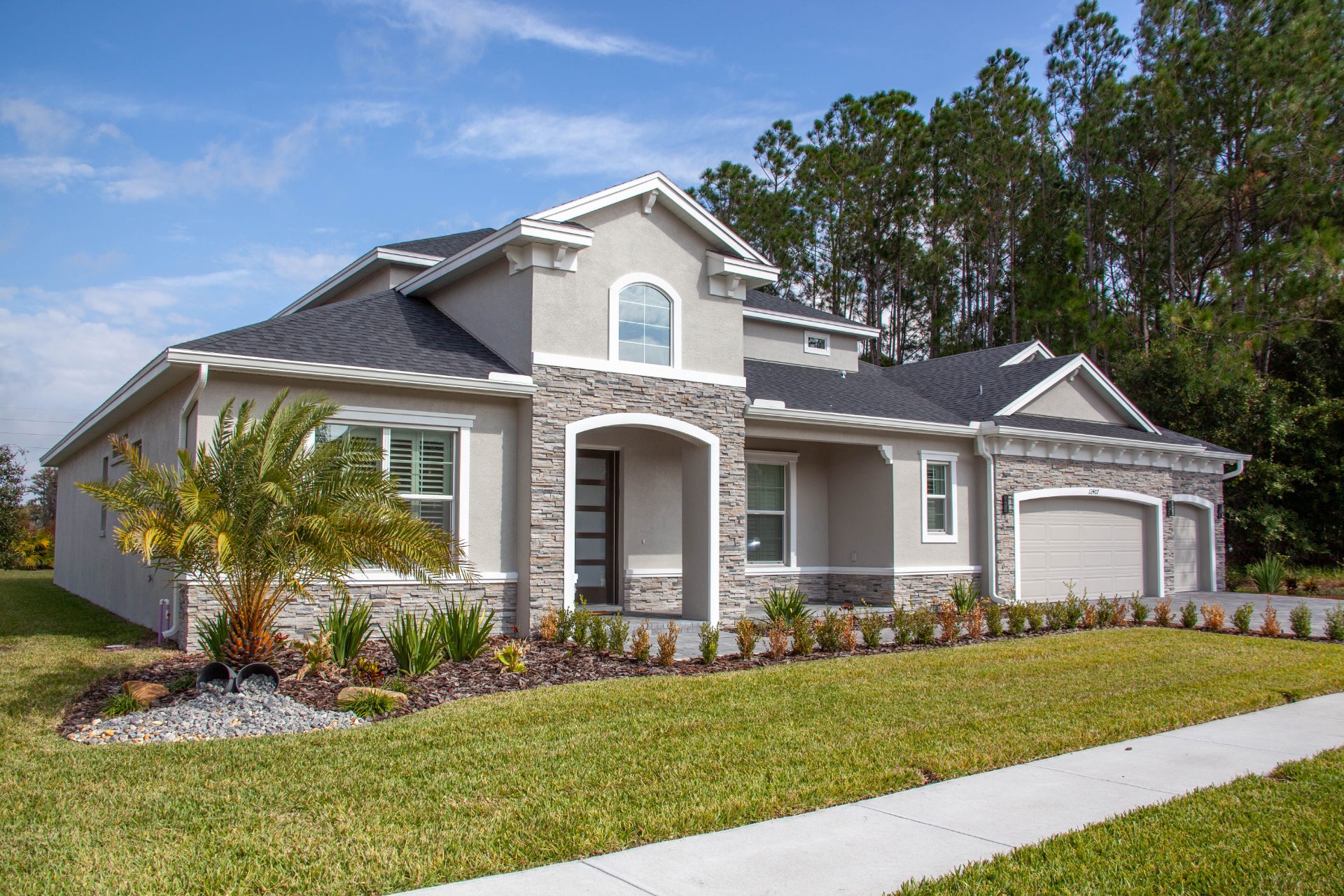
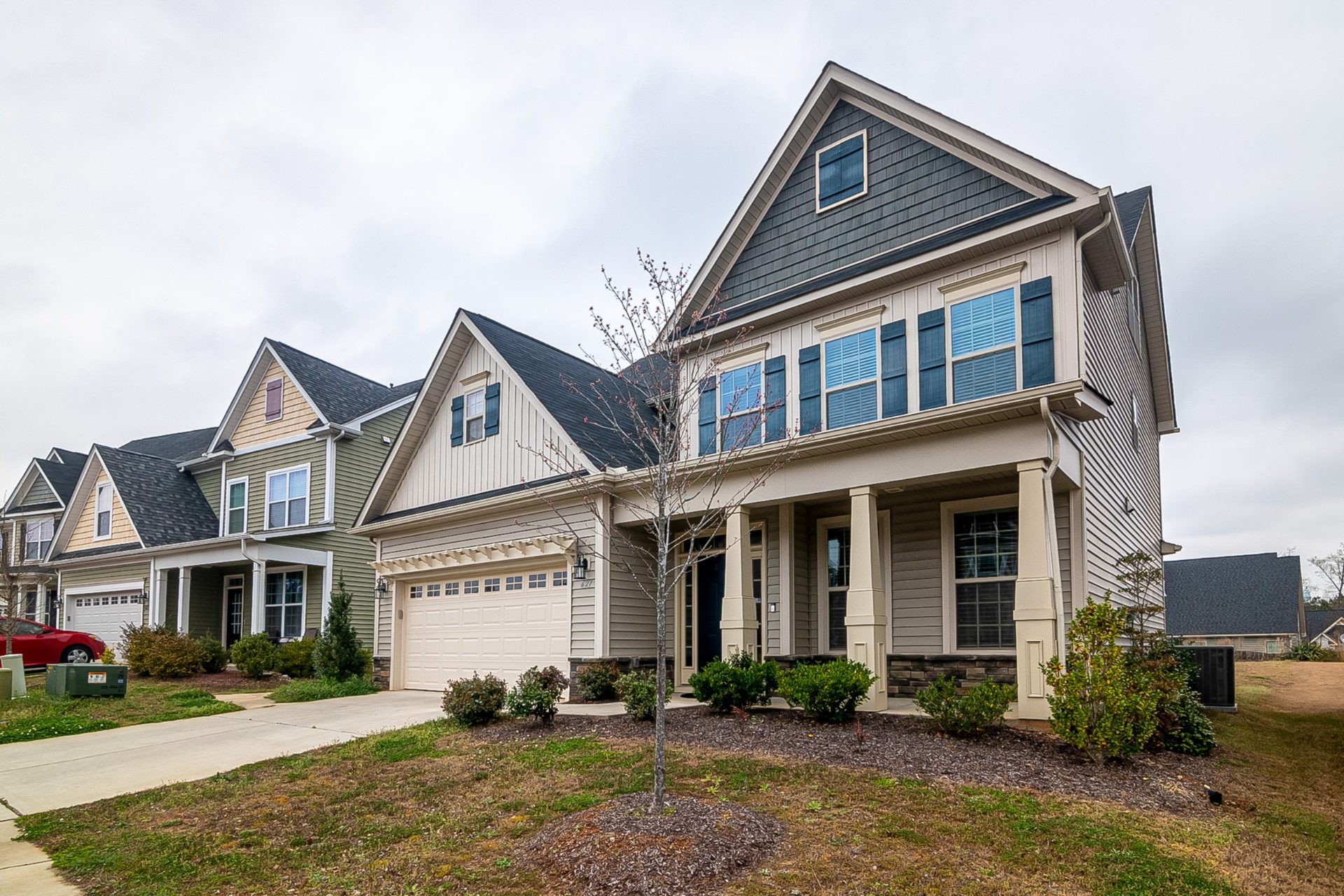
A small city just north of Clermont, on the north shore of Lake Minneola. It has its own Turnpike interchange, which makes it one of the easier Lake County towns for commuting toward Orlando. Much of the housing is newer subdivisions built over the last two decades, with some older homes near the lake. Day-to-day shopping is a short drive into Clermont, and the South Lake Trail and Clermont's waterfront are close by.
Davenport
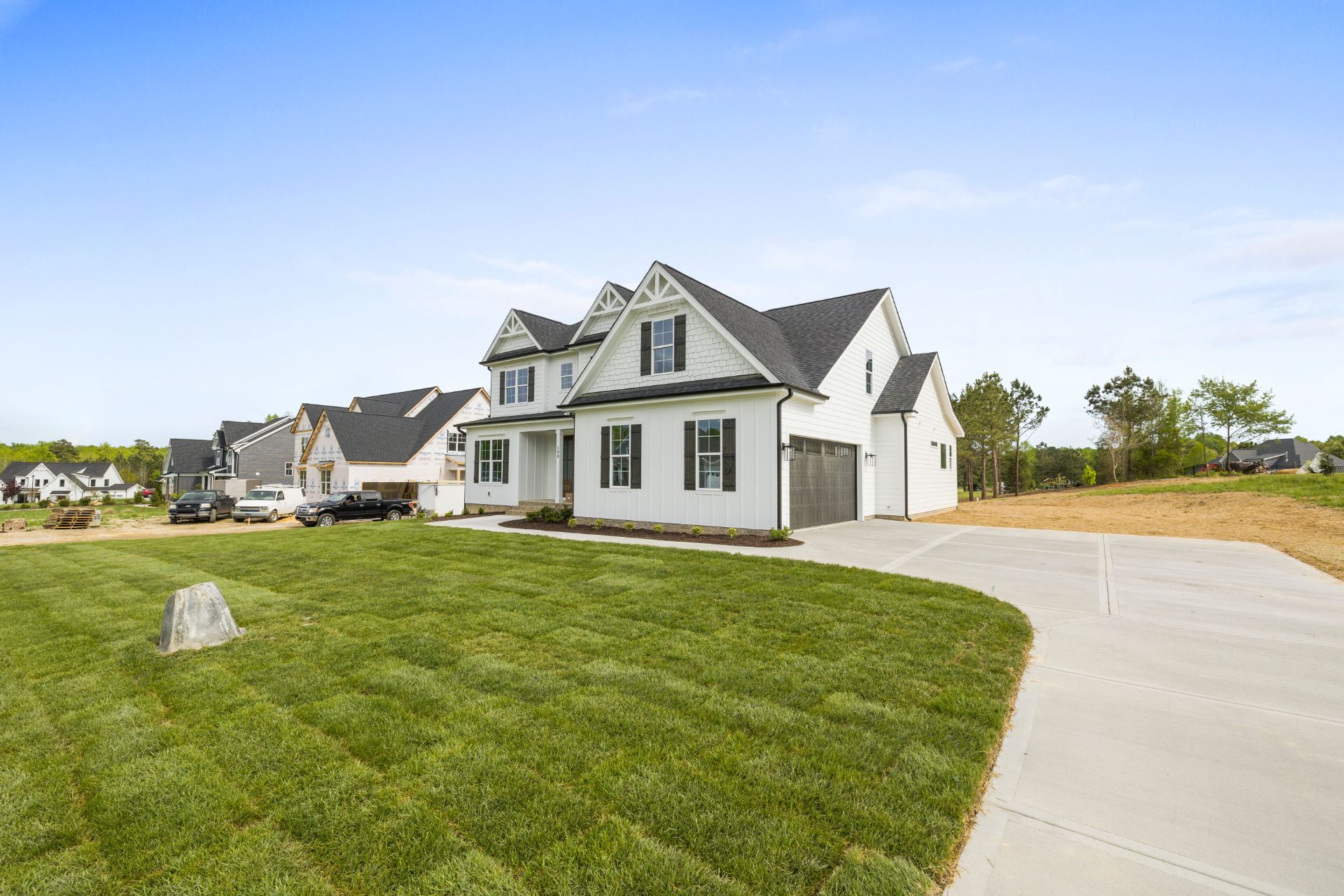
A fast-growing area in northeast Polk County, along I-4 and US 27 southwest of the theme parks. Most of the growth is new subdivisions and resort communities, and many neighborhoods allow short-term rentals, so full-time residents often live alongside vacation homes. ChampionsGate and the Posner Park shopping area cover most daily needs, while the small original town of Davenport sits farther south off 27. Polk County taxes and prices typically run lower than Orange County, but I-4 traffic toward Orlando can be heavy at rush hour.
Kissimmee
A long-established city just south of Orlando and east of the theme parks. Downtown sits on Lake Tohopekaliga, with a lakefront park, a marina, and a walkable stretch of older shops and restaurants. Housing ranges from older neighborhoods near downtown to newer subdivisions toward St. Cloud and along the 192 corridor, where vacation rentals and resort communities are common. The 417, the Turnpike, and SunRail's Kissimmee stations connect to Orlando, though 192 traffic can be slow near the parks.
Apopka
A large city in northwest Orange County, long known as the Indoor Foliage Capital of the World for its plant nurseries. Housing is a mix of established neighborhoods, golf communities, and newer subdivisions on the city's north and west sides. Wekiwa Springs State Park and Kelly Park's Rock Springs are close by for swimming, tubing, and trails. The 429 and 414 link Apopka to Orlando and the attractions, and much of the commercial growth is along those corridors.
Ocoee
A city in west Orange County between Winter Garden and Orlando, on the shores of Starke Lake. It has the shortest drive to downtown Orlando of the west-side towns, with the 429, the 408, and the Turnpike all close by. Housing is mostly established neighborhoods from the 1980s through 2000s, with some newer construction, and prices typically run below Winter Garden's. West Oaks Mall and the SR 50 corridor cover most shopping, and the city is redeveloping its downtown along Bluford Avenue.
Orlando
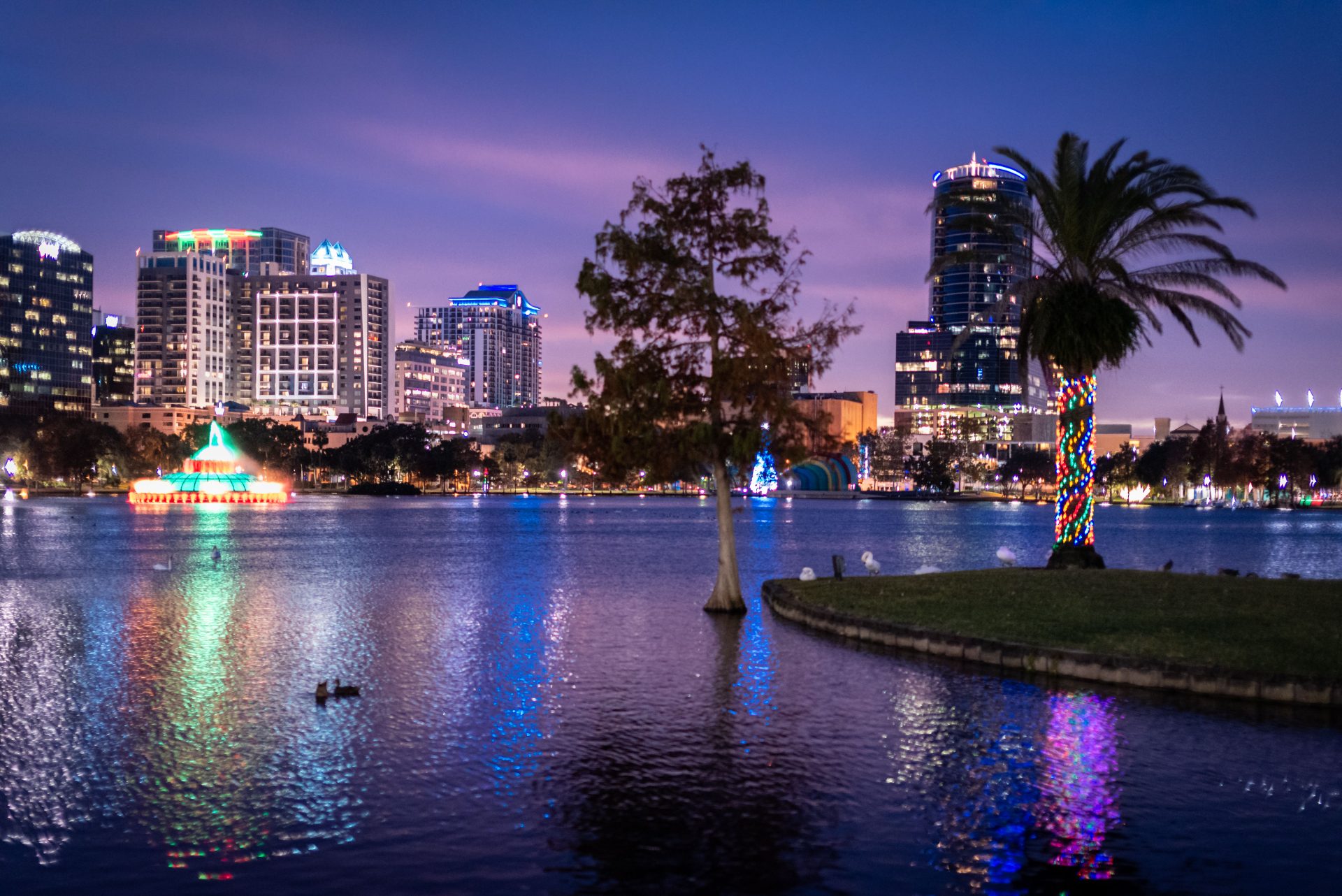
The center of the metro, with high-rise condos and apartments downtown and historic bungalow neighborhoods like Thornton Park, College Park, and Delaney Park close in. Lake Eola Park anchors downtown, and SunRail, LYNX buses, and the 408 and I-4 connect to the rest of the region. Farther out, the city includes newer areas like Lake Nona, with master-planned communities and a medical city. Homes close to downtown typically cost more per square foot and are older and smaller than what the same budget buys in the suburbs.
Let's talk
Call, text, or send a note. You will hear back from a person within 24 to 48 hours.